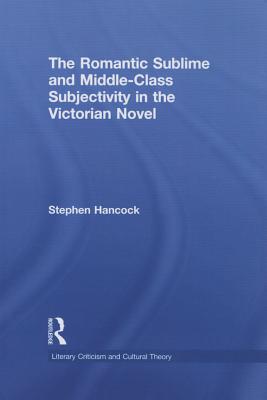
This study follows the aesthetic of the sublime from Burke and Kant, through Wordsworth and the Shelleys, into Thackeray, Dickens, Eliot and Hardy. Exploring the continuities between the romantic and Victorian periods that have so often been rather read as differences, the book demonstrates that the sublime mode enables the transition from a paradigm of overwhelming power exemplified by the body of the king to the pervasive power of surveillance utilized by the rising middle classes. While the domestic woman connected with the rise of the middle class is normally seen as beautiful, the book contends that the moral authority given to this icon of depth and interiority is actually sublime. The binary of the beautiful and the sublime seeks to contain the sublimity of womanhood by insisting on sublimity's masculine character. This is the book's most important claim: rather than exemplifying masculine strength, the sublime marks the transition to a system of power gendered as feminine and yet masks that transition because it fears the power it ostensibly accords to the feminine. This aesthetic is both an inheritance the Victorians receive from their romantic predecessors, and, more importantly, a broad historical phenomenon that questions the artificial boundaries between romantic and Victorian.
This study follows the aesthetic of the sublime from Burke and Kant, through Wordsworth and the Shelleys, into Thackeray, Dickens, Eliot and Hardy. Exploring the continuities between the romantic and Victorian periods that have so often been rather read as differences, the book demonstrates that the sublime mode enables the transition from a paradigm of overwhelming power exemplified by the body of the king to the pervasive power of surveillance utilized by the rising middle classes. While the domestic woman connected with the rise of the middle class is normally seen as beautiful, the book contends that the moral authority given to this icon of depth and interiority is actually sublime. The binary of the beautiful and the sublime seeks to contain the sublimity of womanhood by insisting on sublimity''s masculine character. This is the book''s most important claim: rather than exemplifying masculine strength, the sublime marks the transition to a system of power gendered as feminine and yet masks that transition because it fears the power it ostensibly accords to the feminine. This aesthetic is both an inheritance the Victorians receive from their romantic predecessors, and, more importantly, a broad historical phenomenon that questions the artificial boundaries between romantic and Victorian.
Get The Romantic Sublime and Middle-Class Subjectivity in the Victorian Novel by at the best price and quality guranteed only at Werezi Africa largest book ecommerce store. The book was published by Taylor & Francis Ltd and it has pages. Enjoy Shopping Best Offers & Deals on books Online from Werezi - Receive at your doorstep - Fast Delivery - Secure mode of Payment