




Search

Categories

    • categories-img Jacket, Women
    • categories-img Woolend Jacket
    • categories-img Western denim
    • categories-img Mini Dresss
    • categories-img Jacket, Women
    • categories-img Woolend Jacket
    • categories-img Western denim
    • categories-img Mini Dresss
    • categories-img Jacket, Women
    • categories-img Woolend Jacket
    • categories-img Western denim
    • categories-img Mini Dresss
    • categories-img Jacket, Women
    • categories-img Woolend Jacket
    • categories-img Western denim
    • categories-img Mini Dresss
    • categories-img Jacket, Women
    • categories-img Woolend Jacket
    • categories-img Western denim
    • categories-img Mini Dresss

Filter By Price

$
-
$

Dietary Needs

Top Rated Product

product-img product-img

Modern Chair

$165.00
product-img product-img

Plastic Chair

$165.00
product-img product-img

Design Rooms

$165.00

Brands

  • Wooden
  • Chair
  • Modern
  • Fabric
  • Shoulder
  • Winter
  • Accessories
  • Dress

Welcome and thank you for visiting us. For any query call us on 0799 626 359 or Email [email protected]

Offcanvas Menu Open

Shopping Cart

Africa largest book store
Sub Total:

Search for any Title

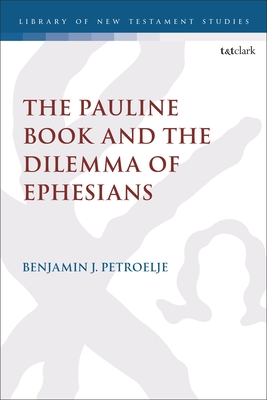
The Pauline Book and the Dilemma of Ephesians

By: (Author) Reverend Dr. Benjamin J. Petroelje

Manufactured on Demand
Delivery in 25 days

Ksh 17,500.00

Format: Hardback or Cased Book

ISBN-10: 056770372X

ISBN-13: 9780567703729

Series: The Library of New Testament Studies

Publisher: Bloomsbury Publishing PLC

Imprint: T.& T.Clark Ltd

Country of Manufacture: GB

Country of Publication: GB

Publication Date: Oct 6th, 2022

Print length: 232 Pages

Weight: 494 grams

Dimensions (height x width x thickness): 16.30 x 24.10 x 2.00 cms

Product Classification: New Testaments

Choose your Location

Shipping & Delivery

Door Delivery

Delivery fee

Delivery in 25 days

  • Description

  • Reviews

Benjamin J. Petroelje argues that how one reads Ephesians is a function of deeper questions about how to read the Pauline book. Petroelje suggests the contemporary consensus—that Ephesians depicts development of/away from the “real Paul”—is largely a construct of modern criticism, rooted in shifting strategies about how to read a letter collection that developed in the 19th-century. Using Ephesians 3:1-13 as a point of analysis, Petroelje theorizes that the text’s “image of Paul” not only anticipates recent revisionist interpretations of Paul’s Jewish identity and gentile gospel, but also holds together tensions in the collection itself surrounding these questions. By analysing ancient letter collections beside their own hermeneutical priorities, and applying this method to the late-antique and modern reception of the corpus Paulinum, Petroelje is able to historicize the origins of the split of Paul's corpus, revealing the constructed nature of the critical consensus on Ephesians and the effect that such modern reading strategies have on interpreting the letter. Urging a return to reading Ephesians alongside Pauline co-texts, Petroelje advocates for Ephesians as a crucial source for the study of Paul, whether Paul wrote it or not.

Benjamin J. Petroelje argues that how one reads Ephesians is a function of deeper questions about how to read the Pauline book. Petroelje suggests the contemporary consensus—that Ephesians depicts development of/away from the “real Paul”—is largely a construct of modern criticism, rooted in shifting strategies about how to read a letter collection that developed in the 19th-century.

Using Ephesians 3:1-13 as a point of analysis, Petroelje theorizes that the text’s “image of Paul” not only anticipates recent revisionist interpretations of Paul’s Jewish identity and gentile gospel, but also holds together tensions in the collection itself surrounding these questions. By analysing ancient letter collections beside their own hermeneutical priorities, and applying this method to the late-antique and modern reception of the corpus Paulinum, Petroelje is able to historicize the origins of the split of Paul''s corpus, revealing the constructed nature of the critical consensus on Ephesians and the effect that such modern reading strategies have on interpreting the letter. Urging a return to reading Ephesians alongside Pauline co-texts, Petroelje advocates for Ephesians as a crucial source for the study of Paul, whether Paul wrote it or not.


Get The Pauline Book and the Dilemma of Ephesians by at the best price and quality guranteed only at Werezi Africa largest book ecommerce store. The book was published by Bloomsbury Publishing PLC and it has pages. Enjoy Shopping Best Offers & Deals on books Online from Werezi - Receive at your doorstep - Fast Delivery - Secure mode of Payment


Customer Reviews

Based on 0 reviews

Mind, Body, & Spirit