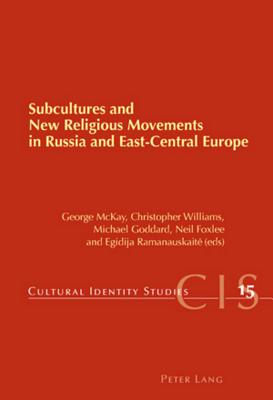
The collapse of communism has opened up Russia and East-Central Europe to outside influences and enabled new lifestyle choices and forms of religious expression. Based on extensive ethnographic research, this collection uses a variety of theoretical perspectives and methodologies to examine some of the many subcultures and new religious movements that have emerged as part of this process, from members of utopian eco-communities, native-language hip-hoppers and nationalistic skinheads to various forms of Indian-inspired spirituality, neo-paganism and theosophy. Whether they reflect a growing sense of national or ethnic identity, the influence of globalization or a combination of the two, such groups highlight the challenge of creating a free, open and tolerant society in both Russia and new or prospective EU member states. The book seeks to contribute to academic and policy debates in this area by increasing understanding of the groups in question. The studies in this collection present selected findings from the three-year EU-funded project 'Society and Lifestyles: Towards Enhancing Social Harmonization through Knowledge of Subcultural Communities' (2006-2008), which included partners from a wide range of post-communist countries in Eastern Europe and from the UK.
The collapse of communism has opened up Russia and East-Central Europe to outside influences and enabled new lifestyle choices and forms of religious expression. Based on extensive ethnographic research, this collection uses a variety of theoretical perspectives and methodologies to examine some of the many subcultures and new religious movements that have emerged as part of this process, from members of utopian eco-communities, native-language hip-hoppers and nationalistic skinheads to various forms of Indian-inspired spirituality, neo-paganism and theosophy. Whether they reflect a growing sense of national or ethnic identity, the influence of globalization or a combination of the two, such groups highlight the challenge of creating a free, open and tolerant society in both Russia and new or prospective EU member states. The book seeks to contribute to academic and policy debates in this area by increasing understanding of the groups in question.
The studies in this collection present selected findings from the three-year EU-funded project ‘Society and Lifestyles: Towards Enhancing Social Harmonization through Knowledge of Subcultural Communities’ (2006-2008), which included partners from a wide range of post-communist countries in Eastern Europe and from the UK.
Get Subcultures and New Religious Movements in Russia and East-Central Europe by at the best price and quality guranteed only at Werezi Africa largest book ecommerce store. The book was published by Verlag Peter Lang and it has pages. Enjoy Shopping Best Offers & Deals on books Online from Werezi - Receive at your doorstep - Fast Delivery - Secure mode of Payment