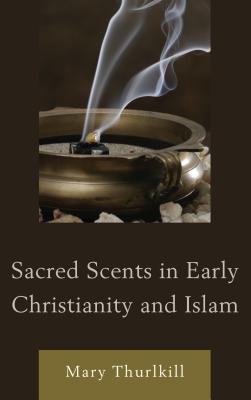
This book examines the “sweet smells of sanctity” within early Christianity and Islam. It is a comparative study of two nascent religious communities, located in disparate times and space, employing scent to define cultural, social, and theological ideals. It will be of interest to scholars of religious studies, gender studies, and history.
Medieval scholars and cultural historians have recently turned their attention to the question of “smells” and what olfactory sensations reveal about society in general and holiness in particular. Sacred Scents in Early Christianity and Islam contributes to that conversation, explaining how early Christians and Muslims linked the “sweet smell of sanctity” with ideals of the body and sexuality; created boundaries and sacred space; and imagined their emerging communal identity. Most importantly, scent—itself transgressive and difficult to control—signaled transition and transformation between categories of meaning.Christian and Islamic authors distinguished their own fragrant ethical and theological ideals against the stench of oppositional heresy and moral depravity. Orthodox Christians ridiculed their ‘stinking’ Arian neighbors, and Muslims denounced the ‘reeking’ corruption of Umayyad and Abbasid decadence. Through the mouths of saints and prophets, patriarchal authors labeled perfumed women as existential threats to vulnerable men and consigned them to enclosed, private space for their protection as well as society’s. At the same time, theologians praised both men and women who purified and transformed their bodies into aromatic offerings to God. Both Christian and Muslim pilgrims venerated sainted men and women with perfumed offerings at tombstones; indeed, Christians and Muslims often worshipped together, honoring common heroes such as Abraham, Moses, and Jonah. Sacred Scents begins by surveying aroma’s quotidian functions in Roman and pre-Islamic cultural milieus within homes, temples, poetry, kitchens, and medicines. Existing scholarship tends to frame ‘scent’ as something available only to the wealthy or elite; however, perfumes, spices, and incense wafted through the lives of most early Christians and Muslims. It ends by examining both traditions’ views of Paradise, identified as the archetypal Garden and source of all perfumes and sweet smells. Both Christian and Islamic texts explain Adam and Eve’s profound grief at losing access to these heavenly aromas and celebrate God’s mercy in allowing earthly remembrances. Sacred scent thus prompts humanity’s grief for what was lost and the yearning for paradisiacal transformation still to come.
Get Sacred Scents in Early Christianity and Islam by at the best price and quality guranteed only at Werezi Africa largest book ecommerce store. The book was published by Bloomsbury Publishing Plc and it has pages. Enjoy Shopping Best Offers & Deals on books Online from Werezi - Receive at your doorstep - Fast Delivery - Secure mode of Payment