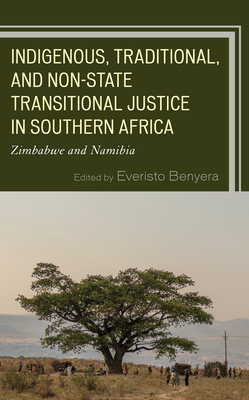
This book explores indigenous and traditional, non-state transitional justice mechanisms used in two South African countries where there were no formal transitional justice mechanisms after protracted violence. It details how communities delve into their history and modes of everyday living in order to resolve conflict and achieve reconciliation.
The book investigates the use of bottom-up, community based healing and peacebuilding approaches, focusing on their strengths and suggesting how they can be enhanced. The main contribution of the book is an ethnographic investigation of how post-conflict communities in parts of Southern Africa use their local resources to forge a future after mass violence. The way in which Namibia’s Herero and Zimbabwe’s Ndebele dealt with their respective genocides is a major contribution of the book.
The focus of the book is on two Southern African countries that never experienced institutionalized transitional justice as dispensed in post-apartheid South Africa via the famed Truth and Reconciliation Commission. We answer the question: how have communities healed and reconciled after the end of protracted violence and gross human rights abuses in Zimbabwe and Namibia? We depart from statetist, top-down, one-size fits all approaches to transitional justice and investigate bottom-up approaches.
Get Indigenous, Traditional, and Non-State Transitional Justice in Southern Africa by at the best price and quality guranteed only at Werezi Africa largest book ecommerce store. The book was published by Bloomsbury Publishing Plc and it has pages. Enjoy Shopping Best Offers & Deals on books Online from Werezi - Receive at your doorstep - Fast Delivery - Secure mode of Payment